
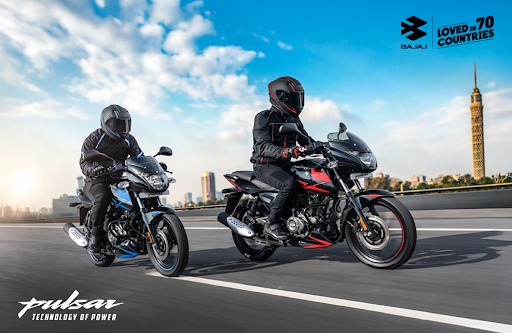
Buying a new bike is more than the looks or mileage anymore. It involves picking the version that fits you. And if you’ve been eyeing the Pulsar 150, that decision usually comes down to one question: Single Disc or Twin Disc?
Both variants share the same reliable heart. The proven 149.5 cc Twin-Spark DTSi engine that’s powered countless riders across Bangladesh. But how they perform, handle, and feel in everyday use can make one a better match depending on what kind of rider you are.
The Pulsar 150 Single Disc keeps things simple. It’s lightweight, responsive, and easy to handle for daily rides. The Twin Disc (ABS), on the other hand, brings in more stopping control and a sportier edge for riders who like that extra confidence on the brakes.
In this guide, we’ll break down the real-world differences from performance and comfort to features and safety, so you can decide which version of the Bajaj Pulsar 150 actually makes sense for your rides.
Same Heart, Two Personalities
At their core, both variants run the same 4-stroke Twin-Spark DTSi engine – a tried and tested motor that’s powered millions of bikes over the years. The 149.5cc air-cooled engine produces 14 PS of power at 8000 rpm and 13.4 Nm of torque at 6000 rpm.
That means performance-wise, both deliver the same punch. You get quick acceleration, easy cruising, and that distinct Pulsar growl when you twist the throttle.
The Single Disc variant feels slightly lighter thanks to the rear drum setup, making it a bit more flickable in tight spots. The Twin Disc adds a touch of weight but makes up for it with added control, especially when braking from higher speeds.
And for city runs or short highway stretches, both feel just right. They’re responsive, steady, and composed.
Design: Same DNA, But the Twin Disc Looks Meaner
Both versions sport that familiar muscular tank, wolf-eyed headlamp, and sporty stance that’s become a signature.
The Pulsar 150 Single Disc keeps it classic – simple, solid, and neat. You get bold graphics, a digital speedometer, and that unmistakable road presence.
But the Twin Disc takes it up a notch. It features a split sporty seat, a split grab rail, and a larger frame design that makes the bike feel more premium. Add in a sharper dual-tone finish and carbon-fibre touches, and you can tell this one’s aimed at riders who like a little flair in their daily ride.
If looks matter to you, the Twin Disc wins by a small but noticeable margin.
Comfort: Built for Real Roads
No matter which one you ride, comfort remains one of the Pulsar 150’s strongest points. Both bikes use 5-way adjustable Nitrox shock absorbers at the rear and telescopic forks up front. In short, this setup easily handles the kind of uneven roads we all deal with.
The seat cushioning feels firm but comfortable, the riding posture is upright, and the wide handlebars make for confident steering. You can spend hours on the saddle without feeling drained.
The ground clearance of 165 mm and the 15L fuel tank also help when you’re planning longer rides.
So if comfort’s your deciding factor, you’re safe with either one.
Braking and Safety: Here’s Where the Big Difference Lies
Now we get to the main distinction.
The Pulsar 150 Single Disc uses a 260 mm front disc and a 130 mm rear drum brake. It’s a classic setup which is easy to maintain and perfectly adequate for most riders. You get reliable braking with predictable feedback.
The Pulsar 150 Twin Disc (TD ABS), however, ups the game with a rear disc brake and single-channel ABS. That means in emergency braking situations, the ABS monitors wheel lock and automatically adjusts brake pressure to prevent skidding.
It’s a real confidence booster, especially when roads get slippery or uneven.
So if your rides often include long highway stretches, higher speeds, or frequent braking, the Twin Disc ABS setup gives you an edge in control and safety.
Technology That Enhances Every Ride
Bajaj has done a solid job of keeping both variants tech-friendly without overcomplicating things.
Both versions come with:
- RWT H4 12V DC headlamps for better night visibility
- Twin slit LED tail lamps that look sharp and stand out
- Tubeless tyres and 17-inch alloy wheels that reduce puncture worries
- Digital speedometer console for ride stats
The Twin Disc’s dual-sport setup also gives it a slightly sportier suspension feel. Meanwhile, the Single Disc version features ExhausTEC, a clever system that boosts torque at lower RPMs. That means smoother pick-up in slow-moving traffic and fewer gear shifts.
Mileage and Maintenance
Mileage remains one of the main reasons the Pulsar 150 continues to dominate. Both versions deliver around 40–45 km/l, depending on riding style and road conditions.
Routine servicing is simple, and Bajaj’s widespread presence across Bangladesh makes maintenance costs reasonable. Parts are easily available, making it a huge plus for long-term ownership.
In short: whichever variant you choose, you’re getting the kind of dependability that made Pulsar a household name in the first place.
Price and Value for Money
The Pulsar 150 Single Disc comes at a more accessible price point. It’s ideal if you want a strong performer without extra frills. You still get all the essentials such as power, comfort, and great build quality at a slightly lower cost.
The Pulsar 150 Twin Disc (TD ABS) costs a bit more, but the additional braking power, safety features, and upgraded styling justify the difference.
So if you’re value-focused, the Single Disc makes perfect sense. If you see your bike as more than just transport, making it a long-term companion that you want to feel sharper and safer, the Twin Disc will feel worth it.
Verdict: Which Pulsar 150 Should You Pick?
Here’s the simple breakdown:
- Pick the Pulsar 150 Single Disc if you want a reliable, no-fuss bike that delivers solid mileage, smooth performance, and comfort, all without stretching your budget.
- Go for the Pulsar 150 Twin Disc (TD ABS) if you’re after a sportier look, better braking confidence, and a few extra touches that make every ride feel more premium.
At the end of the day, both carry the same Pulsar spirit – tough, refined, and ready to handle everyday rides with ease.
And whichever way you go, you’ll still be part of the same story: the one that made the Pulsar 150 a legend on Bangladeshi roads.
FAQs
- Is there any performance difference between the Pulsar 150 Single Disc and Twin Disc?
No, both use the same 149.5cc DTSi engine with equal power and torque output. The difference lies mainly in braking setup and design.
- Does the Pulsar 150 Twin Disc have ABS?
Yes, it comes with a single-channel ABS system for improved braking safety and control.
- Which Pulsar 150 gives better mileage?
Both versions offer a similar mileage of around 40–45 km/l, depending on riding conditions.
- Which one is better for daily commuting?
The Single Disc version is lighter and slightly easier to handle in tight spaces, making it ideal for daily city rides.


